Blog

  • Classical dance

    Classical dance

    Ballet: The Language of Gravity and Grace

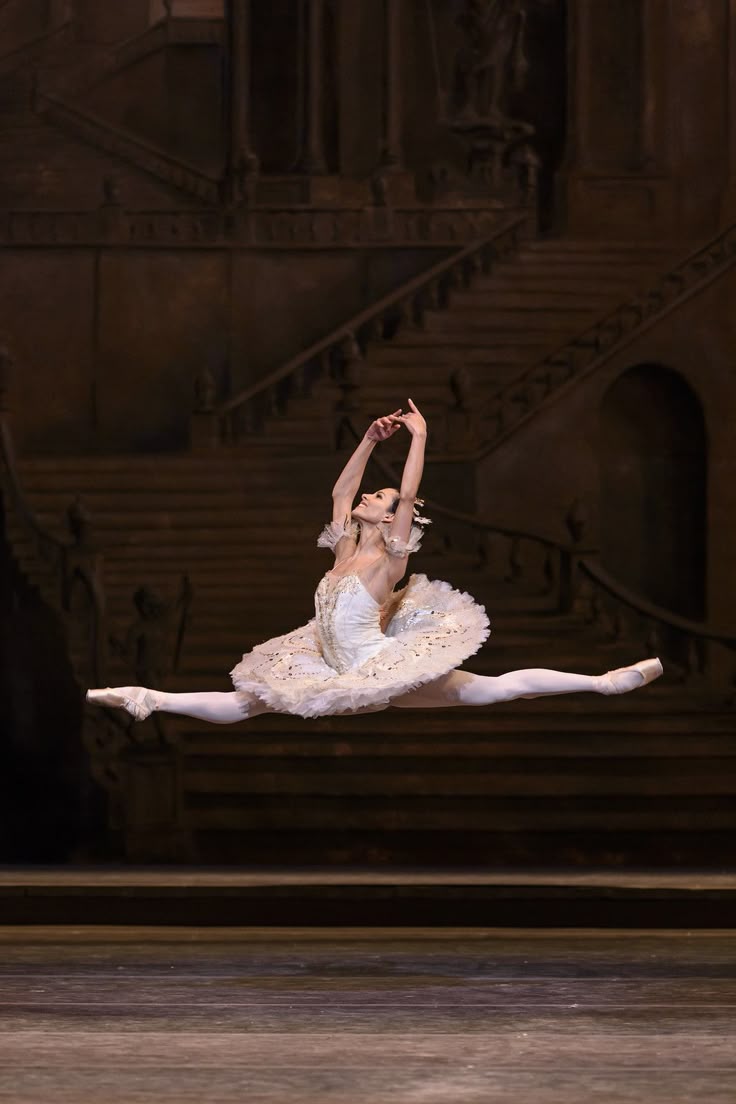
    Ballet is a centuries-old art form that serves as the precise foundation for almost all Western dance. It is defined by its rigorous “turnout,” five strict foot positions, and a constant pursuit of verticality that makes the performer appear weightless. From its royal origins in France to the iconic use of pointe shoes, it blends extreme athletic power with an ethereal, delicate aesthetic. Every movement follows a specific French vocabulary, creating a disciplined language used to tell both grand stories and abstract emotions. Ultimately, it remains the ultimate study of grace, structure, and the human body’s ability to defy gravity.
  • Modern dance

    Modern dance

    The Art of Modern Dance: Rebellion and Emotion

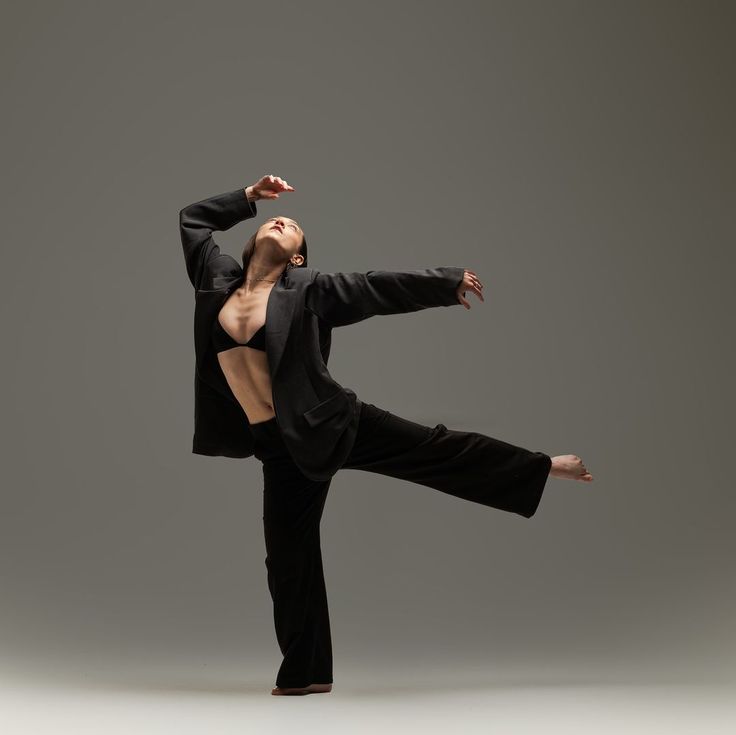
    Modern dance serves as a powerful departure from the rigid structures of traditional ballet, prioritizing the raw expression of the human experience. It is defined by its focus on the use of gravity, incorporating floor work and weighted movements that contrast with the ethereal lightness of other styles. Performers often utilize the “contract and release” technique to mirror the natural rhythm of breathing and internal emotional states. This genre encourages dancers to find their own unique movement vocabulary rather than following a standardized set of positions. By stripping away ornate costumes and strictly vertical alignment, modern dance creates a direct, visceral connection between the artist and the audience. Ultimately, it is a celebration of freedom and the endless possibilities of the body in motion.

  • Contemporary dance

    Contemporary dance

    The Fluidity of Modern Expression

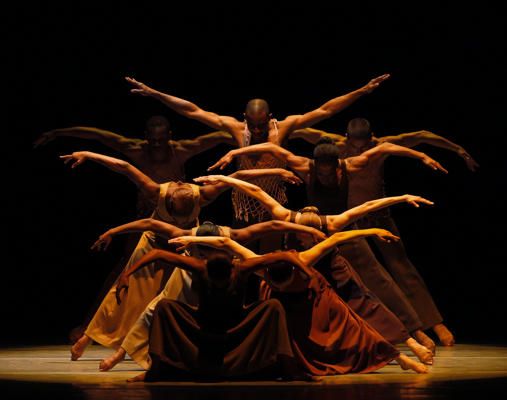
    Contemporary dance is a dynamic and versatile genre that thrives on the fusion of various techniques, including ballet, modern, and even urban styles. Unlike more rigid disciplines, it emphasizes a fluid connection between mind and body, allowing for an incredibly wide range of creative movement. Dancers often focus on the relationship between floor work and standing sequences, utilizing momentum and weight shifts to create a seamless, organic flow. It is a genre that prizes innovation and personal interpretation, frequently incorporating elements of improvisation to push the boundaries of physical storytelling. Because it is not bound by a single set of rules, contemporary dance is constantly evolving to reflect current social themes and artistic trends. This adaptability makes it a deeply relatable and evocative form of art that resonates with audiences on a profound, visceral level.